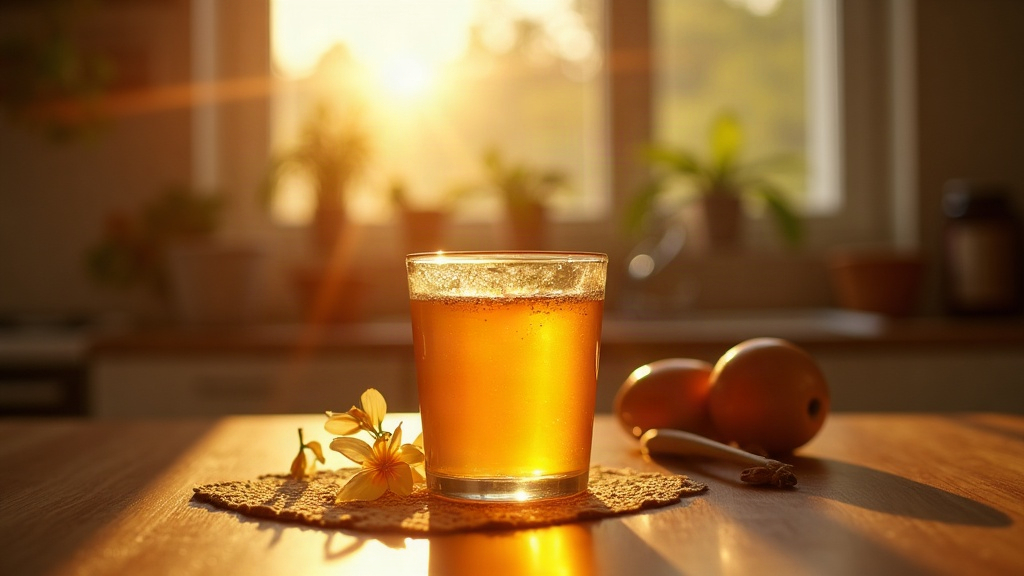
Long before it had a name on a label, Biblical drink (oil)/ Honey blend sat in kitchen cupboards as part of ordinary cooking. This page looks at plate habits and history — not promises, and not a replacement for your doctor’s guidance.
Ask around any lunchroom at 2pm and you’ll hear a version of the same story. These are the moments that come up again and again for people who keep an eye on their meals.
Energy climbs, then drops hard an hour after eating — and the afternoon feels twice as long.
Waking up already worn out, before the day has even asked anything of it yet.
One article says avoid fruit, another says carbs are fine — the confusion piles up faster than the answers.
Deciding what goes on the plate three times a day starts to feel like its own full-time job.
Some ideas about eating repeat so often they start to sound true. A closer look — always alongside your own doctor’s guidance.
Carbs are the enemy and should be cut out completely.
Carbohydrates are one part of a plate; how a meal is built matters as much as what’s on it. Your care team can help tailor this to you.
Fruit is basically candy and should be avoided.
Whole fruit comes with fiber and water that behave differently than a candy bar — portion and context matter more than a blanket rule.
There’s a special ‘diabetic food’ aisle that solves the puzzle.
Most everyday foods can fit into a routine; the label ‘diabetic food’ is more marketing than meal plan. Ask your provider what makes sense for you.
This isn’t about a new food. It’s about the small order and rhythm of a meal that’s already on the table. None of this replaces medication or a treatment plan — it sits alongside whatever your doctor has already prescribed.
Some people find it helpful to start with the non-starchy vegetables and protein on the plate before moving to the starchier parts of the meal.
Eating without rushing, pausing between bites, is a habit some people build into meals — alongside whatever their doctor has already recommended.
A few minutes of easy movement after a meal, like a walk around the block, is a habit that fits naturally into an evening routine.
Long before it appeared in wellness aisles, a blend of oil and honey shows up in old texts and traditional kitchens across the Mediterranean and Middle East. Olive oil was pressed for cooking, lamps, and preserving food; honey was one of the few sweeteners available before refined sugar existed. Together, they were folded into bread, drizzled over cooked grains, or stirred into simple drinks — more pantry staple than remedy. Cooks passed the combination down the way they passed down bread recipes: by watching, tasting, and adjusting.
Interesting history aside, none of this changes what your doctor has told you about your own meals or care — that conversation stays with them.
If energy feels like it swings sharply after meals on a regular basis, that's worth describing to the professional who follows your care.
When meal planning starts feeling overwhelming rather than routine, it's a good topic for your next appointment.
Ongoing tiredness in the morning is something your doctor can look into alongside everything else they track.
Noticeable shifts in appetite or cravings are worth mentioning at your next visit, not guessing about on your own.
Any question about a prescription, dose, or routine belongs with the doctor who prescribed it — never a personal experiment.
When general information doesn't seem to fit your own situation, that's exactly what a follow-up conversation with your provider is for.
These are individual stories shared for illustration only. They describe personal routines, not medical outcomes, and results or experiences vary from person to person. Always follow the guidance of your own healthcare provider.
This page is about the order and rhythm of eating — nothing here replaces your doctor’s guidance, your prescribed treatment, or your own care plan. Talk to your provider before changing anything about your routine.
Advertising Disclosure: This page contains sponsored content and affiliate links. We may receive compensation if you make a purchase through links provided on this site. This helps support the operation of this website at no additional cost to you.
Content Disclaimer: This content is provided for educational and informational purposes only. It has not been evaluated by the FDA and is not intended to diagnose, treat, cure, or prevent any disease or medical condition. Nothing on this page is a substitute for professional medical advice, diagnosis, or treatment. Always consult a qualified healthcare professional before making any changes to your diet, routine, or any prescribed treatment.
Results Disclaimer: Individual results and experiences vary from person to person. Testimonials shared on this page reflect personal opinions and are not a guarantee of any specific outcome.
© 2026 · All Rights Reserved